
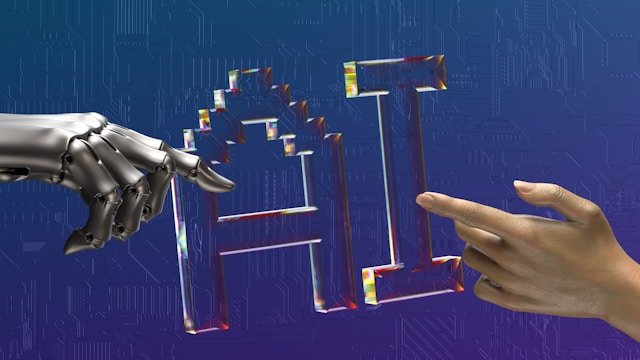
Artificial Intelligence (AI) has become one of the biggest forces transforming the way businesses market their products and services. In 2026, companies are using AI to understand customers better, create content faster, improve advertising performance, and automate marketing tasks.
The combination of AI digital marketing is changing how brands attract, engage, and retain customers. Businesses that understand how to use AI effectively can save time, make better decisions, and create more personalized experiences for their audiences.
AI is no longer only a technology for large companies. Small businesses, freelancers, and marketers can now use AI tools to improve their marketing strategies and compete in the digital world.
This article explains how AI digital marketing is changing in 2026 and how businesses can use artificial intelligence to achieve better results.
What Is AI Digital Marketing?
AI digital marketing is the use of artificial intelligence technologies to improve online marketing activities.
AI helps marketers analyze information, predict customer behavior, automate tasks, and create better campaigns.
Examples of AI in digital marketing include:
- AI content creation tools
- Customer chatbots
- Personalized recommendations
- Automated advertising systems
- Predictive analytics
- Voice search optimization
- Marketing automation
Instead of replacing marketers, AI helps them work faster and make smarter decisions.
Why AI Is Important in Digital Marketing
Businesses collect huge amounts of customer data every day. Traditional methods cannot always analyze this information quickly.
AI helps businesses:
- Understand customer behavior
- Create personalized experiences
- Improve marketing efficiency
- Reduce repetitive work
- Increase conversion rates
- Make data-driven decisions
In 2026, companies that ignore AI may struggle to compete because customers increasingly expect faster and more personalized interactions.
1. AI-Powered Content Creation
One of the biggest changes in AI digital marketing is content creation.
Creating high-quality content requires time and creativity. AI tools help marketers generate ideas, write drafts, improve grammar, and create content faster.
AI can assist with:
- Blog outlines
- Social media posts
- Email campaigns
- Product descriptions
- Video scripts
- Marketing ideas
However, human creativity remains important. AI-generated content still needs editing, strategy, and a human perspective to connect with audiences.
Benefits of AI Content Creation
- Saves time
- Generates new ideas
- Helps overcome writer’s block
- Improves productivity
Successful marketers use AI as an assistant, not as a complete replacement for human creativity.
2. Personalized Customer Experiences
Customers expect brands to understand their needs.
AI allows businesses to personalize marketing messages based on customer behavior.
For example, AI can analyze:
- Previous purchases
- Website activity
- Search behavior
- Customer interests
Businesses can then provide:
- Personalized product recommendations
- Targeted emails
- Customized advertisements
- Relevant content
Personalization helps improve customer satisfaction and increases the chance of conversions.
3. Smarter Advertising Campaigns
Advertising has become more intelligent because of AI.
Platforms use AI algorithms to analyze users and improve ad performance.
AI helps marketers:
- Identify the right audience
- Optimize ad budgets
- Test different advertisements
- Predict customer actions
- Improve campaign results
Instead of guessing what customers want, businesses can use AI data to make better advertising decisions.
4. AI Chatbots and Customer Support
Customer service is another area being transformed by AI.
AI-powered chatbots can answer customer questions instantly, 24 hours a day.
Businesses use chatbots for:
- Answering common questions
- Providing product information
- Helping customers complete purchases
- Scheduling appointments
- Collecting customer information
AI chatbots improve response speed and allow businesses to provide support without needing a large customer service team.
5. Better Data Analysis and Predictions
Data is essential for successful marketing.
AI helps businesses analyze large amounts of information quickly.
Through AI analytics, marketers can understand:
- Customer preferences
- Buying patterns
- Campaign performance
- Future trends
Predictive analytics allows businesses to make better decisions by estimating what customers may do in the future.
For example, AI can predict which customers are more likely to purchase a product or leave a service.
6. Voice Search and AI Assistants
Voice search continues to grow in 2026.
People use AI assistants to search for information, find businesses, and make purchases.
Examples include:
- Asking questions through smartphones
- Using smart speakers
- Searching through voice-enabled devices
Businesses need to optimize their content for voice search by:
- Using natural language
- Answering common questions
- Creating clear and helpful content
Voice search optimization is becoming an important part of modern AI digital marketing.
7. AI in Social Media Marketing
Social media marketing is also changing because of AI.
AI helps marketers:
- Analyze audience behavior
- Schedule posts
- Create content ideas
- Identify trends
- Improve engagement
Social media platforms use AI to recommend content to users based on their interests.
Businesses that understand these algorithms can create better strategies and reach more people.
8. AI Improving SEO
Search Engine Optimization is becoming more advanced with AI.
AI helps SEO professionals with:
- Keyword research
- Content optimization
- Competitor analysis
- Search trend prediction
Search engines are also using AI to understand user intent better.
This means marketers must focus on creating useful, high-quality content rather than only targeting keywords.
The future of SEO depends on understanding what users need and providing the best answers.
9. Marketing Automation
Automation is one of the biggest advantages of AI digital marketing.
AI can automate repetitive marketing tasks such as:
- Email sending
- Customer segmentation
- Lead scoring
- Reporting
- Campaign management
Automation allows marketers to spend more time on strategy and creativity.
10. AI Video and Image Creation
Visual content is becoming more important.
AI tools can help create:
- Marketing videos
- Product images
- Social media graphics
- Advertisements
This allows small businesses to create professional-looking content without large production budgets.
However, brands should maintain originality and quality to stand out.
Advantages of AI Digital Marketing
Using AI provides many benefits:
1. Saves Time
AI handles repetitive tasks quickly, allowing marketers to focus on important activities.
2. Improves Accuracy
AI analyzes data and identifies patterns that humans may miss.
3. Creates Better Customer Experiences
Personalized marketing improves customer relationships.
4. Reduces Costs
Automation can reduce the need for manual work.
5. Improves Decision Making
AI provides insights that help businesses make smarter choices.
Challenges of Using AI in Marketing
Although AI provides many benefits, there are challenges.
1. Lack of Human Creativity
AI can generate content, but humans provide emotions, experiences, and unique ideas.
2. Data Privacy Concerns
Businesses must protect customer information and use data responsibly.
3. Overdependence on AI
Marketers should not rely completely on AI. Strategy and human judgment are still necessary.
4. Learning New Skills
Marketing professionals need to learn how to use AI tools effectively.
How Marketers Can Prepare for AI Changes
To succeed with AI digital marketing, marketers should:
- Learn AI tools
- Understand data analysis
- Improve creativity
- Focus on customer needs
- Test new strategies
- Continue learning
AI is changing marketing, but skilled marketers who know how to use technology will remain valuable.
The Future of AI Digital Marketing
The future of marketing will combine human creativity with artificial intelligence.
AI will continue improving:
- Customer experiences
- Content creation
- Advertising
- Analytics
- Automation
Businesses that use AI responsibly will have a competitive advantage.
The goal is not to replace human marketers but to help them create better strategies and deliver more value to customers.
Conclusion
AI digital marketing is changing the way businesses connect with customers in 2026. From content creation and personalized experiences to smarter advertising and automated customer support, artificial intelligence is making marketing faster and more effective.
However, successful marketing still requires human creativity, strategy, and understanding of customer needs.
Businesses and marketers who learn how to combine AI technology with human skills will be better prepared for the future of digital marketing.